
Para ofrecerle diversas especificaciones de productos y servicios de bombas de pistón y émbolo.

El bomba de alimentación de caldera Es el componente principal del sistema de alimentación de la caldera, y su rendimiento afecta directamente a la seguridad de funcionamiento de la caldera y a la eficiencia de la alimentación. Bombas triplex Las bombas centrífugas y las bombas de aire comprimido son actualmente los dos tipos de bombas más utilizados en aplicaciones de alimentación de calderas.
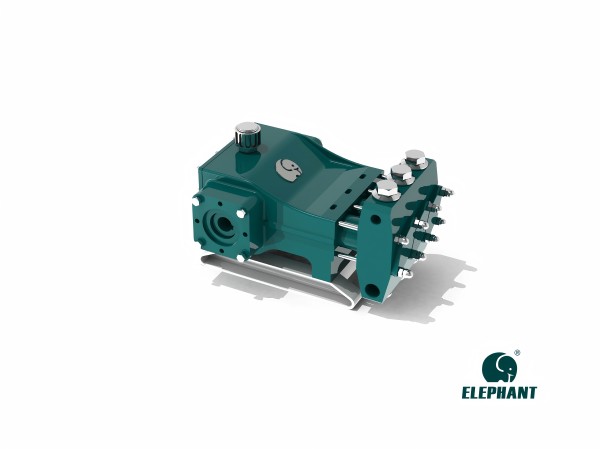
1. Principio de funcionamiento
Las bombas triplex son bombas de desplazamiento positivo recíprocas que dependen del movimiento alternativo de desatascadores Dentro del cilindro, se modifica el volumen de la cámara de trabajo, completando así la succión y la descarga. La presión de salida es estable y prácticamente no se ve afectada por las variaciones de caudal. Por otro lado, las bombas centrífugas se basan en la fuerza centrífuga generada por la rotación del impulsor para transferir energía al agua, lo que permite un ajuste flexible de los parámetros de salida mediante la modificación de la apertura de la válvula de salida.
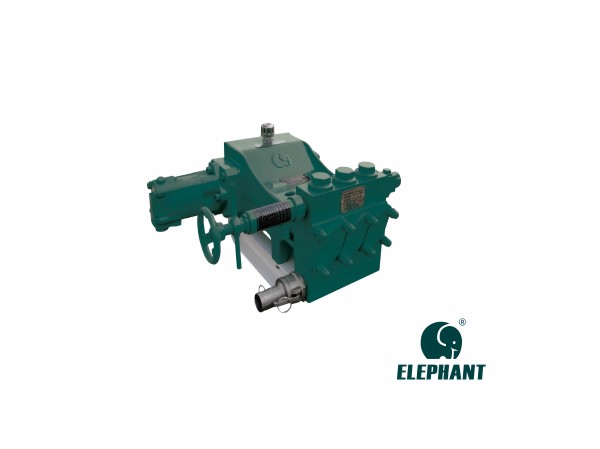
2. Rendimiento
Las bombas triplex ofrecen las ventajas de una alta presión de salida y una eficiencia estable, con una mayor eficiencia energética en caudales medios a pequeños. presión alta Aplicaciones de alimentación. Cuentan con una estructura compacta y un mantenimiento más sencillo. Las bombas centrífugas son más adecuadas para aplicaciones de alimentación con caudales elevados y baja presión. Sin embargo, cuando se requiere alta presión de alimentación, las bombas centrífugas suelen requerir una configuración en serie de varias etapas, y la eficiencia tiende a disminuir significativamente a medida que aumenta la presión.
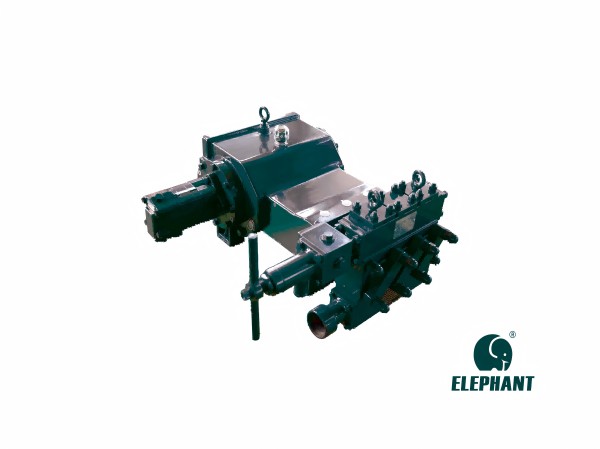
3. Solicitud
Para calderas de alta presión de tamaño mediano a pequeño, o sistemas de alimentación de calderas con requisitos de alta estabilidad de presión, las bombas triplex son más adecuadas. Para aplicaciones de alimentación de calderas de gran capacidad y presión media a baja, las bombas centrífugas ofrecen menores costos operativos y una mejor experiencia de usuario.
La selección real debe considerar la presión de alimentación de la caldera, los parámetros de flujo y las condiciones de operación y mantenimiento del sitio para elegir el tipo de bomba más adecuado. Elephant Machinery puede proporcionar soluciones personalizadas. Patines de bombas de alimentación de calderas de émbolo triplex.

Para ofrecerle diversas especificaciones de productos y servicios de bombas de pistón y émbolo.
Contáctenos
Si está interesado en nuestros productos, contáctenos, le brindaremos los servicios adecuados.
 +86 18110351348
 Correo electrónico
: louise.zhang@c-elephant.com
Correo electrónico
: louise.zhang@c-elephant.com
 DIRECCIÓN
: Room 909, Building 4, No. 109 Software Avenue, Nanjing City, Jiangsu, China</br></br>No. 58 Guan Hua West Road, Jianhu County, Yancheng City, Jiangsu Province, China
DIRECCIÓN
: Room 909, Building 4, No. 109 Software Avenue, Nanjing City, Jiangsu, China</br></br>No. 58 Guan Hua West Road, Jianhu County, Yancheng City, Jiangsu Province, China
Siga leyendo, manténgase informado, suscríbase. y te invitamos a que nos digas lo que piensas.
Nunca compartiremos ni venderemos su correo electrónico. También prometemos no inundar su bandeja de entrada.


 Red IPv6 compatible
Mapa del sitio
| Xml | Blog
| política de privacidad
Red IPv6 compatible
Mapa del sitio
| Xml | Blog
| política de privacidad